

28 AUGUST 2026 · BY SITCHEZ SIMONE
Best Time to Visit Kenya for a Safari
Kenya is one of Africa's most rewarding safari destinations, but choosing the best time to visit Kenya for a safari depends on more than the weather.
Do you want to witness the Great Wildebeest Migration in the Maasai Mara? Are you mainly interested in seeing the Big Five? Would you prefer fewer tourists and better-value safari rates? Or are you looking for a balance between excellent wildlife viewing, comfortable weather and your budget?
The good news is that Kenya is a year-round safari destination. The dry season from June to October is generally the best period for reliable wildlife viewing, while January and February offer another excellent window between the main rainy seasons. The wetter months can also be rewarding, bringing greener landscapes, excellent birdwatching, fewer visitors and lower-season accommodation rates.
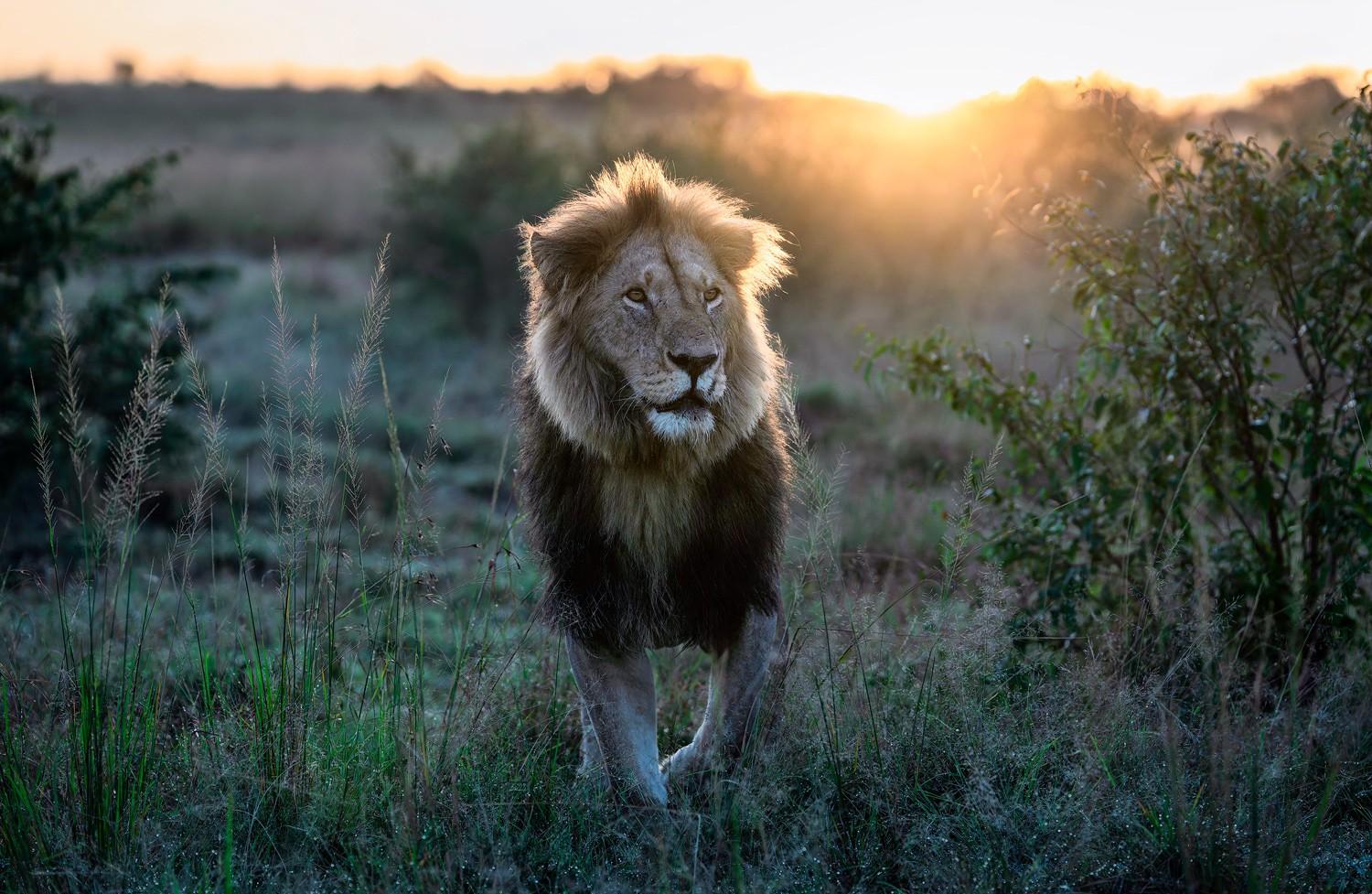
For travelers looking for a mid-range or budget-friendly Kenya safari, understanding the seasons can help you choose the right month without automatically paying peak-season prices.
Quick Answer: When Is the Best Time to Visit Kenya for a Safari?
For most first-time safari travelers, June to October is the best overall period for a Kenya safari.
During the dry season, vegetation generally becomes thinner and wildlife is often easier to spot around rivers, waterholes and other reliable sources of water. The weather is also usually favorable for game drives.
The Great Wildebeest Migration usually reaches the Maasai Mara around July or August, with the herds generally remaining in Kenya through September before moving back toward Tanzania around October. Exact timing varies from year to year.
Best Times Based on Your Priorities
- Best overall wildlife viewing: June to October
- Best for the Great Migration: July to October
- Best balance of wildlife and value: January, February, June, September and October
- Best for lower-season rates: April, May and November
- Best for birdwatching: November to April
- Best for fewer crowds: January, February, June and November
- Best for a first-time safari: June to October or January to February
- Best for budget-conscious travelers: January, February, June, November and selected green-season dates
There is no single perfect month. The best time depends on what you want to see, where you want to go and how much you want to spend.
Kenya Safari Seasons at a Glance
| Season | Months | Wildlife Viewing | Crowds | Typical Pricing | Best For |
|---|---|---|---|---|---|
| Short Dry Period | January-February | Excellent | Moderate | Moderate | Big Five, predators, value |
| Long Rains | March-May | Fair-Good | Low | Lower | Budget travel, photography, birding |
| Dry Season | June-October | Excellent | High | Higher | Big Five, Migration, classic safari |
| Short Rains | November-December | Good | Lower | Lower-Moderate | Value, birding, green landscapes |
Note: These are general seasonal patterns. Conditions and accommodation pricing vary by region, property and year.
Kenya's Dry Season: June to October
The dry season is widely regarded as the best time to visit Kenya for wildlife viewing.
Rainfall is generally limited, grasses and vegetation become shorter in many areas, and animals can be easier to locate around permanent water sources. Sunny days and relatively predictable weather also make this a popular period for game drives.
The trade-off is that this is also Kenya's busiest safari season, particularly in the Maasai Mara during the Great Migration.
At Mellow Safaris, we don't automatically recommend peak season to every traveler. For many mid-range and budget travelers, September, October, January and February can provide an excellent combination of wildlife, weather and overall value. The right choice depends on your destinations, travel dates and priorities.
June: The Shoulder-Season Gem
June marks the transition into Kenya's main dry season.
The long rains are generally ending, although some areas can still receive showers early in the month. The landscape can remain relatively green, while wildlife viewing improves as vegetation begins to thin.
June can be an excellent choice for travelers who want strong safari conditions before the July-August peak.
Best for:
- Big Five wildlife viewing
- Fewer crowds than peak Migration months
- Green landscapes
- Photography
- Travelers looking for a balance of conditions and value
July: Wildlife and the Start of Migration Season
July marks the beginning of Kenya's peak safari period.
The weather is generally dry, and wildlife viewing is excellent across many of Kenya's major parks and reserves. In the Maasai Mara, the first large herds of wildebeest may begin arriving from Tanzania around this time.
Demand for accommodation also starts increasing, particularly in the Maasai Mara.
Best for:
- Early Great Migration viewing
- Dry weather
- Big Five safaris
- Travelers with fixed summer holiday dates
August: Peak Great Migration Season
August is one of the most popular months to visit Kenya.
Large herds of wildebeest and zebra can be found in the Maasai Mara, while predators such as lions, cheetahs and leopards take advantage of the abundance of prey.
Important note about the Mara River crossings
The famous Mara River crossings can occur during this period, but they depend entirely on animal movements, river conditions and weather.
No responsible safari operator can guarantee that a river crossing will happen on a particular day.
If the Migration is your priority, spending several nights in the Maasai Mara gives you a better opportunity to experience changing herd movements than trying to predict a single crossing.
September: Excellent Wildlife With More Breathing Room
September continues to offer excellent dry-season conditions.
The Great Migration may still be in the Maasai Mara, while resident wildlife remains abundant throughout Kenya's parks and reserves. Visitor numbers can begin to ease compared with the busiest August period.
For many travelers, September offers one of the strongest combinations of wildlife, weather and overall safari experience.
Best for:
- Great Migration
- Big Five
- Dry roads
- Photography
- Travelers seeking a balance between peak-season wildlife and value
October: Excellent Safari Conditions
October is another excellent month for a Kenya safari.
The weather is generally still favorable for game drives, although the short rains may begin toward the end of the month in some areas.
The migrating herds generally start moving back toward Tanzania around this time, but Kenya's resident wildlife remains.
October is particularly good for travelers who want a classic Kenya safari without making the Great Migration the only focus of their trip.
January and February: The Underrated Dry-Season Window
If you want excellent wildlife viewing without planning your trip around the Great Migration, January and February are two of the best alternatives.
These months fall within a relatively dry period between Kenya's short and long rains. Wildlife viewing can be excellent across destinations including the Maasai Mara, Amboseli and Samburu.
January and February can also appeal to travelers looking for a quieter experience than the July-August peak.
Why Consider January or February?
- Excellent game viewing
- Generally favorable weather
- Good predator sightings
- Excellent photography conditions
- Fewer visitors than the busiest Migration months
- No need to build your safari around the Great Migration
For a mid-range Kenya safari, January and February are worth considering when comparing travel dates and accommodation options.
March to May: Kenya's Green Season
March, April and May bring Kenya's long rains.
This is generally the wettest part of the year, with April often being the wettest month. Rain can make some unpaved safari roads muddy, and thick vegetation can make wildlife harder to spot in some areas.
However, the green season has important advantages:
- Lush scenery and vibrant landscapes
- Excellent birdwatching, including resident and migratory species
- Fewer visitors in many parks and reserves
- Potentially lower-season rates at selected lodges and camps
- Excellent photography opportunities
The green season is particularly attractive to travelers who prioritize value, scenery and fewer crowds over guaranteed dry weather.
March: The Transition Into the Long Rains
March is a transition month.
The beginning of the month can still offer good safari conditions, while rainfall generally becomes more frequent as the long-rain season develops.
If you travel in March, it is worth choosing your destinations and accommodation carefully and allowing some flexibility around weather.
April: The Wettest Month
April is generally one of Kenya's wettest months.
Heavy rain can make some roads muddy and can occasionally affect game drives. However, the scenery can be spectacular, the parks are quieter and lower-season accommodation rates may be available at selected properties.
For travelers who want to keep safari costs down and don't mind unpredictable weather, April can be worth considering.
May: Green, Quiet and Potentially Better Value
May continues the long-rain season, although conditions can begin improving toward the end of the month in some areas.
Morning game drives can still be productive, while afternoon showers are possible. Road conditions should be considered when selecting an itinerary.
The major advantage is that demand is generally lower than during the main dry season, making May an option for travelers prioritizing value and quieter parks.
November and December: The Short Rains
November and December are associated with Kenya's short-rain season.
Rain often comes as showers rather than continuous rain, although patterns vary between regions and from year to year.
The landscape becomes greener and birdwatching is particularly rewarding.
November: A Strong Value Month
November can be an attractive month for budget-conscious travelers.
Visitor numbers are generally lower than during the peak Migration period, the landscape becomes green and migratory birds are present.
The short rains can also produce dramatic skies and excellent photography conditions.
December: Green Landscapes and Holiday Demand
Early December can provide a quieter safari experience.
However, demand usually increases around Christmas and New Year's, so travelers planning festive-season safaris should book well ahead.
Best Time to Visit Kenya's Top Safari Destinations
The best month can change depending on the parks and reserves you want to visit.
1. Maasai Mara National Reserve
Best time: July to October for the Great Migration; January and February for strong resident wildlife viewing and an alternative to peak Migration season.
The Maasai Mara offers excellent wildlife viewing beyond the Migration. Resident lions, leopards, cheetahs, elephants, buffalo and other wildlife remain throughout the year.
[Explore Mellow Safaris' Maasai Mara Safari Packages →]
2. Amboseli National Park
Best time: January, February and June to October.
Amboseli is famous for its large elephant herds and views of Mount Kilimanjaro. Dry conditions can make wildlife easier to spot, while January and February provide another strong window outside the main June-October peak.
[Explore Mellow Safaris' Amboseli Safari Itineraries →]
3. Samburu National Reserve
Best time: January, February and June to September, with October also often providing good conditions.
Samburu's dry landscape and the Ewaso Nyiro River create a very different safari experience from the Maasai Mara.
It is an excellent choice for travelers who want to explore northern Kenya and see wildlife adapted to the region.
[Explore Mellow Safaris' Samburu Safari Guide →]
4. Lake Nakuru National Park
Best time: June to October, with January, February and November also offering good wildlife-viewing opportunities.
Lake Nakuru is known for rhinos, birdlife and a variety of other wildlife. Wildlife viewing can remain rewarding during several parts of the wetter season as well.
5. Lake Naivasha
Best time: Year-round, depending on your interests.
Lake Naivasha is particularly popular for birdwatching, boat trips and as a scenic stop between Nairobi and Kenya's western safari destinations.
Its location makes it easy to combine with destinations such as Lake Nakuru and the Maasai Mara.
Best Time for a Budget Safari in Kenya
If your priority is getting the best safari experience for your money, you don't necessarily need to travel during the peak Great Migration season.
The best-value period depends on the specific camp, lodge, park and travel dates, but lower-season periods can provide more affordable accommodation and greater availability.
Consider these periods when comparing safari prices:
January-February:Good wildlife + relatively favorable weather + an alternative to peak Migration pricing.
June:Strong wildlife viewing + transition into the dry season.
September-October:Excellent wildlife + dry conditions + potentially better value than the August peak.
November:Green landscapes + fewer visitors + lower-season opportunities.
April-May:Lower demand in many areas, but with a higher chance of rain and more challenging road conditions.
What determines the cost of a Kenya safari?
There is no single nationwide "cheapest month." Safari prices depend on:
- Accommodation category
- Park or reserve
- Exact travel dates
- Number of travelers
- Private or group safari
- Vehicle type
- Length of the safari
- Supplier and seasonal rates
That's why Mellow Safaris helps travelers compare the overall value of different travel dates rather than simply recommending the rainy season.
Best Time for a Kenya Safari Based on Your Priorities
| Your Priority | Best Months |
|---|---|
| Great Wildebeest Migration | July-October |
| Big Five wildlife viewing | June-October and January-February |
| Best overall safari conditions | June-October |
| Lower-season safari rates | April-May and November |
| Fewer tourists | January-February, June and November |
| Green landscapes | March-May and November-December |
| Birdwatching | November-April |
| Photography | January-February and green season |
| Best balance of wildlife and value | January-February, June, September and October |
| First-time safari | June-October or January-February |
| Budget-focused safari | January-February, June, November and selected green-season dates |
These are general recommendations. Weather and wildlife conditions vary by destination and from year to year.
Is Kenya Worth Visiting During the Rainy Season?
Absolutely.
The rainy season is sometimes overlooked because safari travelers often imagine dry grasslands and cloudless skies.
But Kenya's green season can be beautiful.
The rains refresh the landscape, vegetation becomes lush, migratory birds arrive and many parks experience fewer visitors. The scenery can also be particularly impressive for photography.
The advantages of traveling during the rainy season include:
Vibrant landscapes:Rain refreshes the savannah, creating lush green scenery.
Fewer vehicles:Quieter parks can mean more peaceful wildlife-viewing experiences.
Potentially lower rates:Some camps and lodges offer lower-season pricing during periods of lower demand.
Excellent birdwatching:Migratory birds and resident species make this period particularly rewarding for bird enthusiasts.
The main consideration is road conditions. During periods of heavier rain, some unpaved roads can become muddy and game drives may take longer.
For travelers who prioritize value and fewer crowds over guaranteed dry weather, the rainy season can be a very worthwhile time to visit Kenya.
When Should You Book a Kenya Safari?
The earlier you plan, the more accommodation choices you are likely to have.
Peak Season: July-September and Festive Holidays
Booking 6-9 months ahead is recommended if you want specific camps, room categories or popular travel dates.
Shoulder and Green Seasons: January, February, June and November
Booking 2-4 months ahead can provide good availability and flexibility, although popular properties can still fill up.
If you have:
- Fixed travel dates
- A particular lodge or camp in mind
- A specific room category
- A private safari requirement
- A larger group
then booking earlier is particularly useful.
Rather than choosing a month first and an itinerary second, it can be smarter to tell your safari operator your preferred dates, budget and priorities and ask which combination gives you the best value.
What Is the Best Month for a Kenya Safari?
There isn't one perfect month for everyone.
If the Great Migration is your priority, consider July to October, with the understanding that Migration timing is seasonal rather than guaranteed.
If you want excellent wildlife without making the Migration the center of your trip, January, February, June, September and October are strong options.
If your priority is value and fewer crowds, consider November or selected April-May dates, provided you're comfortable with a higher chance of rain.
And if you're looking for the best overall combination of wildlife and weather, June to October remains the safest recommendation for most first-time safari travelers.
Ultimately, the best time to visit Kenya depends on three things:
What you want to see.How much you want to spend.How flexible you are with weather and crowds.
Plan Your Kenya Safari With Mellow Safaris
At Mellow Safaris, we believe an unforgettable Kenya safari doesn't have to come with a peak-season price tag.
As a mid-range and budget safari specialist, we help travelers choose the right combination of destinations, accommodation and travel dates for their budget.
That could mean planning around the Great Migration in the Maasai Mara, finding excellent wildlife viewing in January or February, combining Amboseli with the Maasai Mara, exploring Samburu in northern Kenya, or choosing a quieter green-season safari.
We don't believe there is one "best" month for everyone.
The best month is the one that matches your priorities.
Ready to plan your Kenya safari?
Tell us:
- Your preferred travel dates
- Number of travelers
- Approximate budget
- Parks or destinations you'd like to visit
- Private or group safari preference
We'll help you compare the options and build a Kenya safari that gives you the best experience for your budget.
[Plan Your Kenya Safari With Mellow Safaris →]
Frequently Asked Questions
What is the best time to visit Kenya for a safari?
The best overall period is generally June to October, when dry conditions make wildlife easier to spot and game-drive conditions are usually favorable. January and February are also excellent alternatives.
What is the best time to see the Great Migration in Kenya?
The Great Migration usually reaches the Maasai Mara around July or August and generally remains in Kenya through September, before the herds begin moving back toward Tanzania around October. Exact timing varies from year to year.
Can I see the Big Five outside the Migration season?
Yes. Lions, leopards, elephants, rhinos and buffalo are resident wildlife species in Kenya's parks and reserves. They can be spotted throughout the year.
What is the cheapest month for a Kenya safari?
April and May are generally among the lower-demand months, while November can also provide lower-season opportunities. However, there is no single nationwide cheapest month because safari rates depend on accommodation, destination and travel dates.
Is January a good month for a Kenya safari?
Yes. January falls within a relatively dry period and can provide excellent wildlife viewing in many Kenyan parks.
Is February a good month for a Kenya safari?
Yes. February is another strong safari month, with relatively favorable weather and good wildlife-viewing opportunities.
Is April a bad time to visit Kenya?
Not necessarily. April is one of the wetter months, so rain can affect some roads and game drives. However, travelers can enjoy greener landscapes, fewer visitors and potentially lower-season rates.
Can I visit the Maasai Mara during the rainy season?
Yes. The Maasai Mara has resident wildlife throughout the year. The wetter months may bring more challenging road conditions and thicker vegetation, but they can also offer greener scenery and fewer visitors.
How far in advance should I book a Kenya safari?
For peak periods such as July-September and the Christmas/New Year holidays, planning several months ahead is advisable, especially if you want specific accommodation. For other periods, there can be more flexibility, although popular properties can still fill up.
Is Kenya a year-round safari destination?
Yes. Kenya can be visited throughout the year. The main difference is what each season offers in terms of weather, wildlife visibility, scenery, crowds and accommodation rates.