Mellow Safaris · Nairobi, Kenya+254 707 820 948TOSK · TRA · AMREF Flying Doctors · Kenya Wildlife Service

Elephant herd on the Kenyan plains

19 June – 17 July 2027

AFCON 2027 Safari Packages

You will have days between matches. Kenya is not a country to spend them in a hotel lobby.

Plan Your AFCON Safari →

Why this tournament

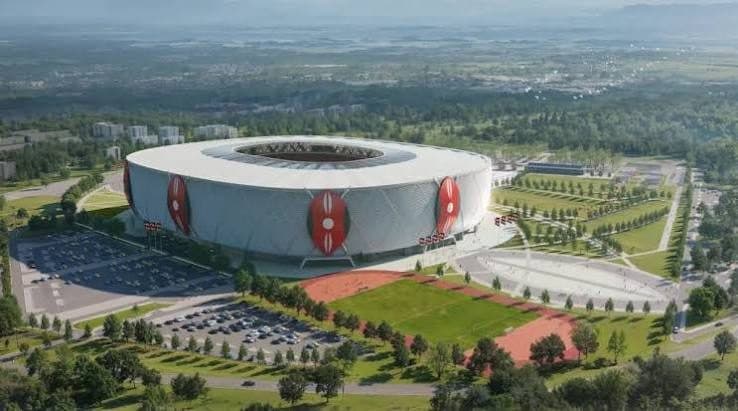
Three host countries, and two of them are ours

The 2027 Africa Cup of Nations is the first to be co-hosted by three nations — Kenya, Tanzania and Uganda — and the first held in East Africa in half a century. Kenyan matches are played in Nairobi, which is also the departure point for the Maasai Mara, Ol Pejeta, Samburu and Lake Naivasha. Each is a drive away, not a second flight.

Group stages leave three or four days between a team's matches. That is not enough time to fly home and too much to sit still — but it is exactly enough for a safari. We have run these routes since 2018, and for this tournament we build the dates around the fixture list rather than the other way round.

Where the football is

The host cities and grounds

Kenya

Nairobi

  • Raila Odinga International Stadium (60,000)
  • Moi International Sports Centre, Kasarani (55,000)
  • Nyayo National Stadium (30,000)

Every Kenyan match is played in Nairobi, which is also where all four of our safari routes depart from.

Tanzania

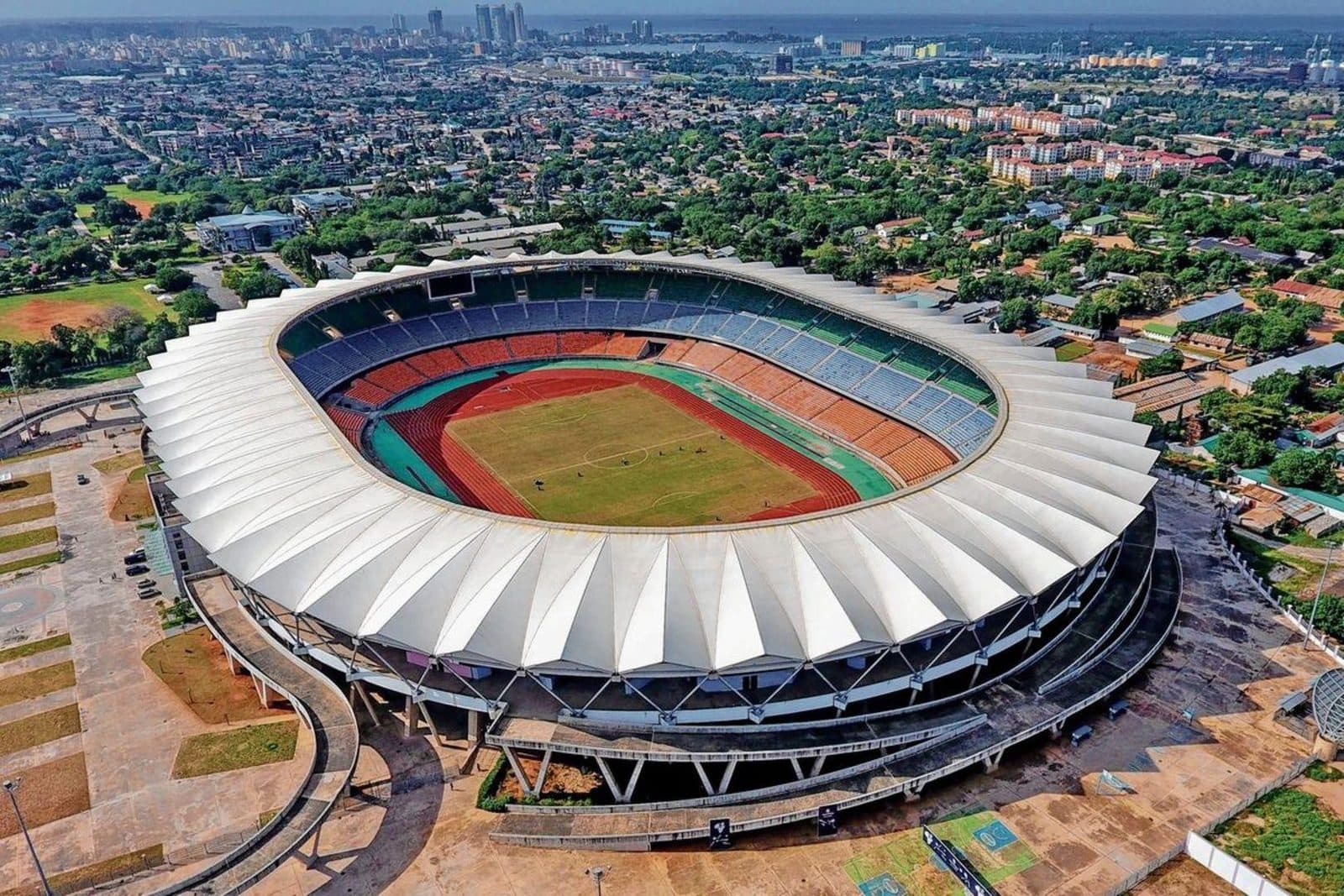
Dar es Salaam, Arusha, Zanzibar

  • Benjamin Mkapa Stadium, Dar es Salaam (60,000)
  • Samia Suluhu Hassan Stadium, Arusha (30,000)
  • Amaan and Fumba Stadiums, Zanzibar

Arusha is the gateway to the Serengeti and the Ngorongoro Crater. Zanzibar is a beach island with matches on it.

Uganda

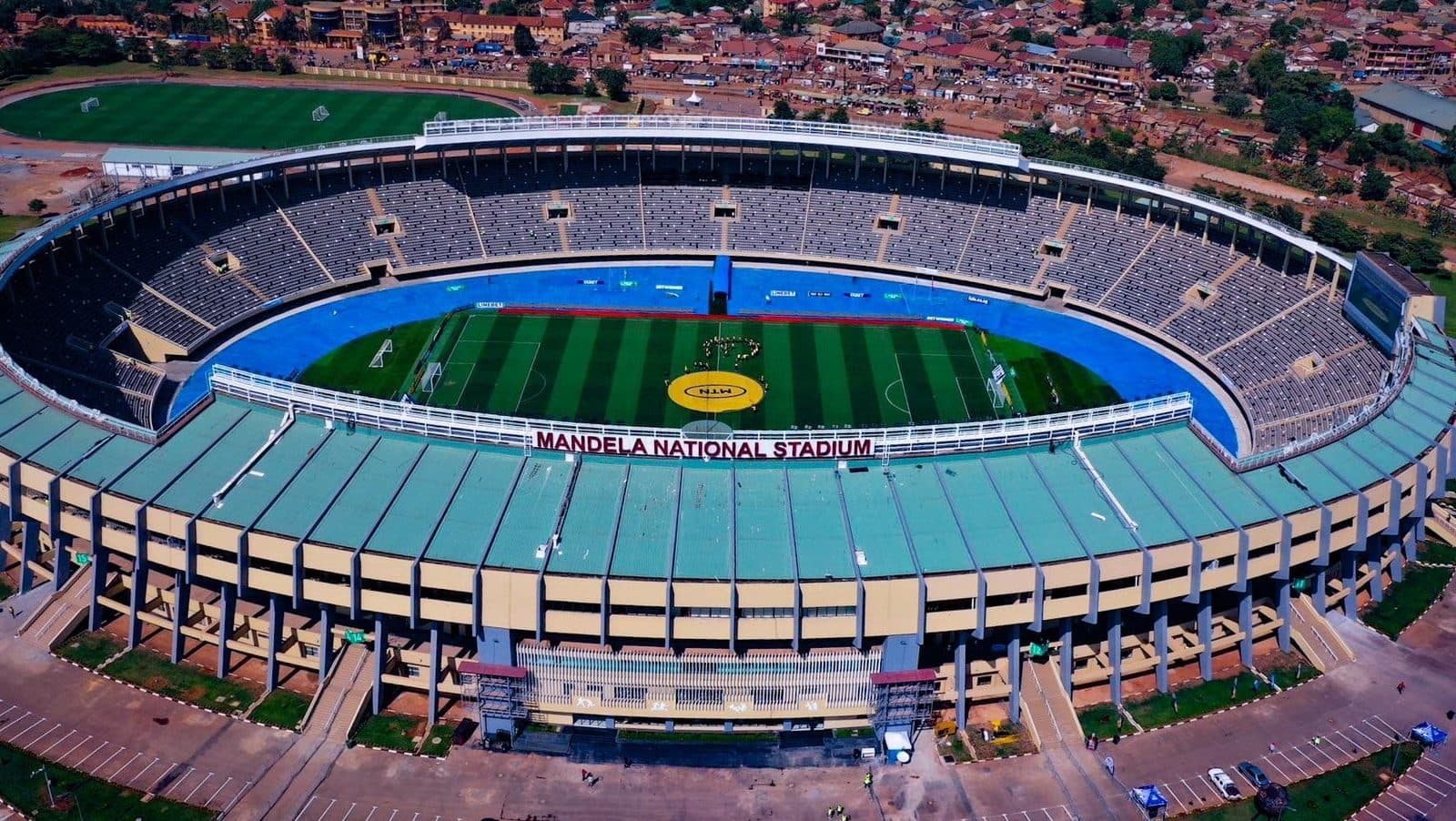
Kampala, Hoima, Lira

  • Mandela National Stadium, Kampala (64,125)
  • Hoima City Stadium (20,000)
  • Akii Bua Stadium, Lira (20,000)

Reachable overland from Nairobi, and covered by the same tourist visa as Kenya.

Venue allocation per match follows the draw. We update this page as CAF publishes the schedule.

Included in every package

Your Nairobi days, handled

Whichever safari you choose, the days you are in the city are not wasted ones. Every package includes the four things worth doing in Nairobi, arranged around your match times.

Nairobi National Park
The only national park inside a capital city anywhere in the world. Rhino, lion, buffalo and giraffe with office towers on the skyline behind them.
Sheldrick Wildlife Trust
The elephant orphanage, open to visitors for one hour a day. Orphaned calves being hand-raised for eventual release back into Tsavo.
Giraffe Centre
Eye to eye with endangered Rothschild's giraffe from a raised feeding platform.
Nairobi city tour
The Karen Blixen Museum, the markets, and the parts of the city most visitors fly over.
Rothschild's giraffe at the Giraffe Centre in Nairobi

Distances

How far things are from Nairobi

The honest numbers, so you can judge for yourself what fits between two matches.

Lake Naivasha

About 2 hours

Close enough for an overnight between two matches.

Ol Pejeta Conservancy

About 3 hours 30

Via Nanyuki, on tarmac most of the way.

Maasai Mara

About 5 to 6 hours

Or a 45-minute light aircraft hop from Wilson Airport.

Samburu

About 3 hours from Ol Pejeta

Which is why the two are sold together.

The safaris

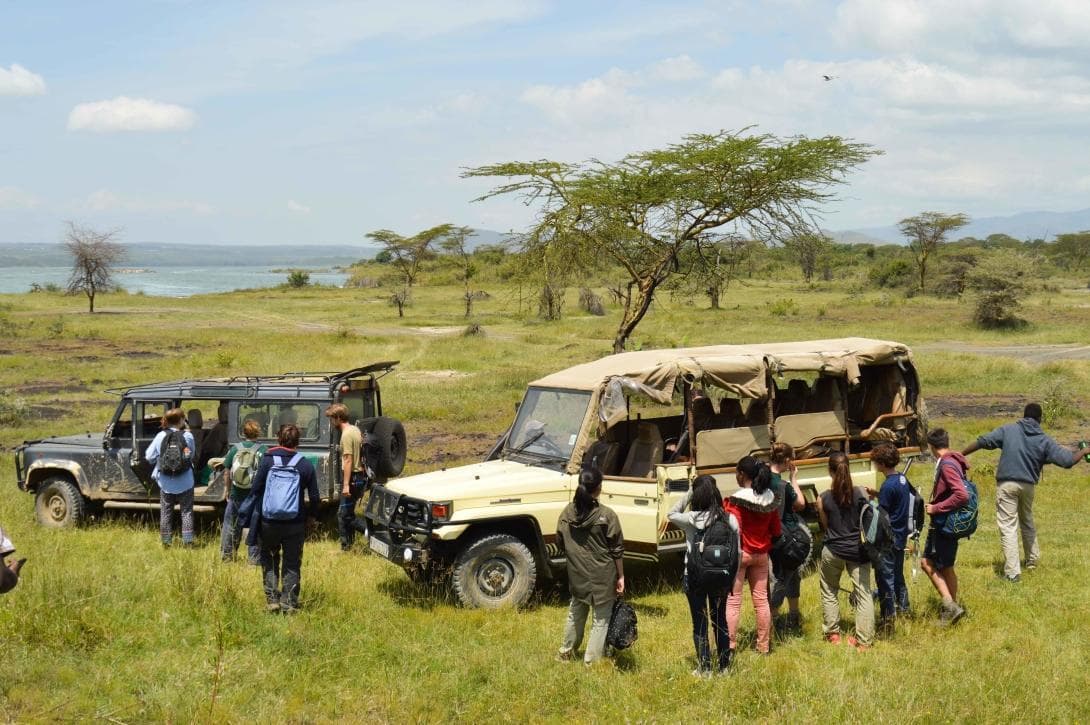
Four ways to use the days between matches

All budget and mid-range, all built to slot around a fixture list. Tell us which team you are following and we will tell you which of these fits.

Lion cub in the Maasai Mara

2 days

Maasai Mara

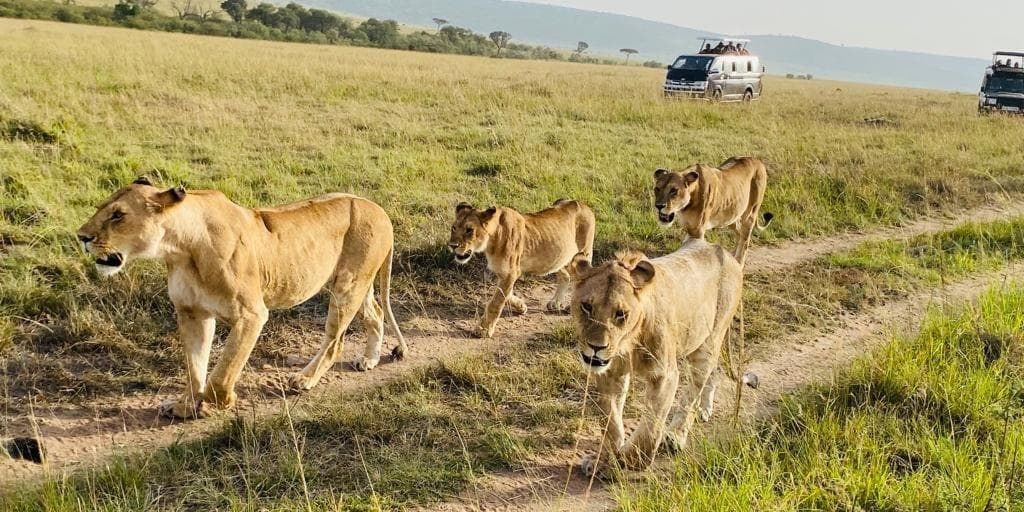
The shortest way to see the Mara properly. Big cat densities here are among the highest in Africa, and two days of game drives is genuinely enough to find lion, cheetah and elephant.

  • Day 1 — Early departure from Nairobi, arrive Mara for lunch, afternoon game drive.
  • Day 2 — Full morning game drive, lunch, return to Nairobi by evening.

Fits a single gap between two group-stage matches in Nairobi.

Ask about this trip →
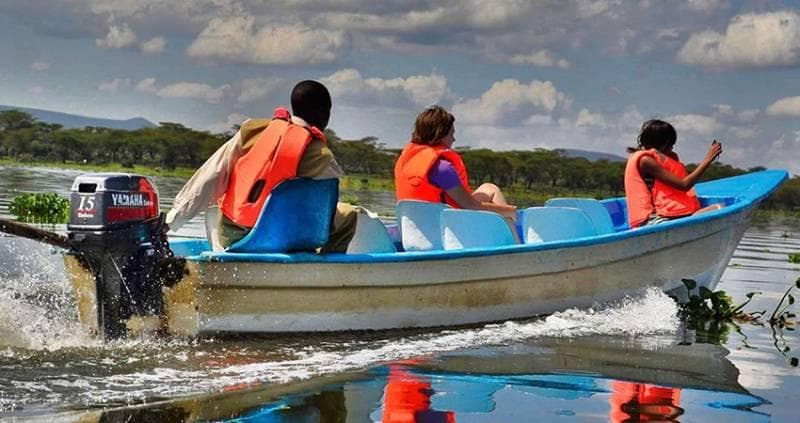
Boat ride on Lake Naivasha

3 days

Maasai Mara & Lake Naivasha

The Mara, then Naivasha on the way home. The Naivasha day is the one people remember — a boat among hippos, then Crescent Island, where there are no predators so you walk on foot among zebra, giraffe and wildebeest.

  • Day 1 — Nairobi to the Mara, afternoon game drive.
  • Day 2 — Full day in the Mara, evening transfer to Naivasha.
  • Day 3 — Boat ride and Crescent Island walking safari, back in Nairobi by late afternoon.

Runs on different dates to the two-day trip, so you can pick whichever gap your fixtures leave you.

Ask about this trip →
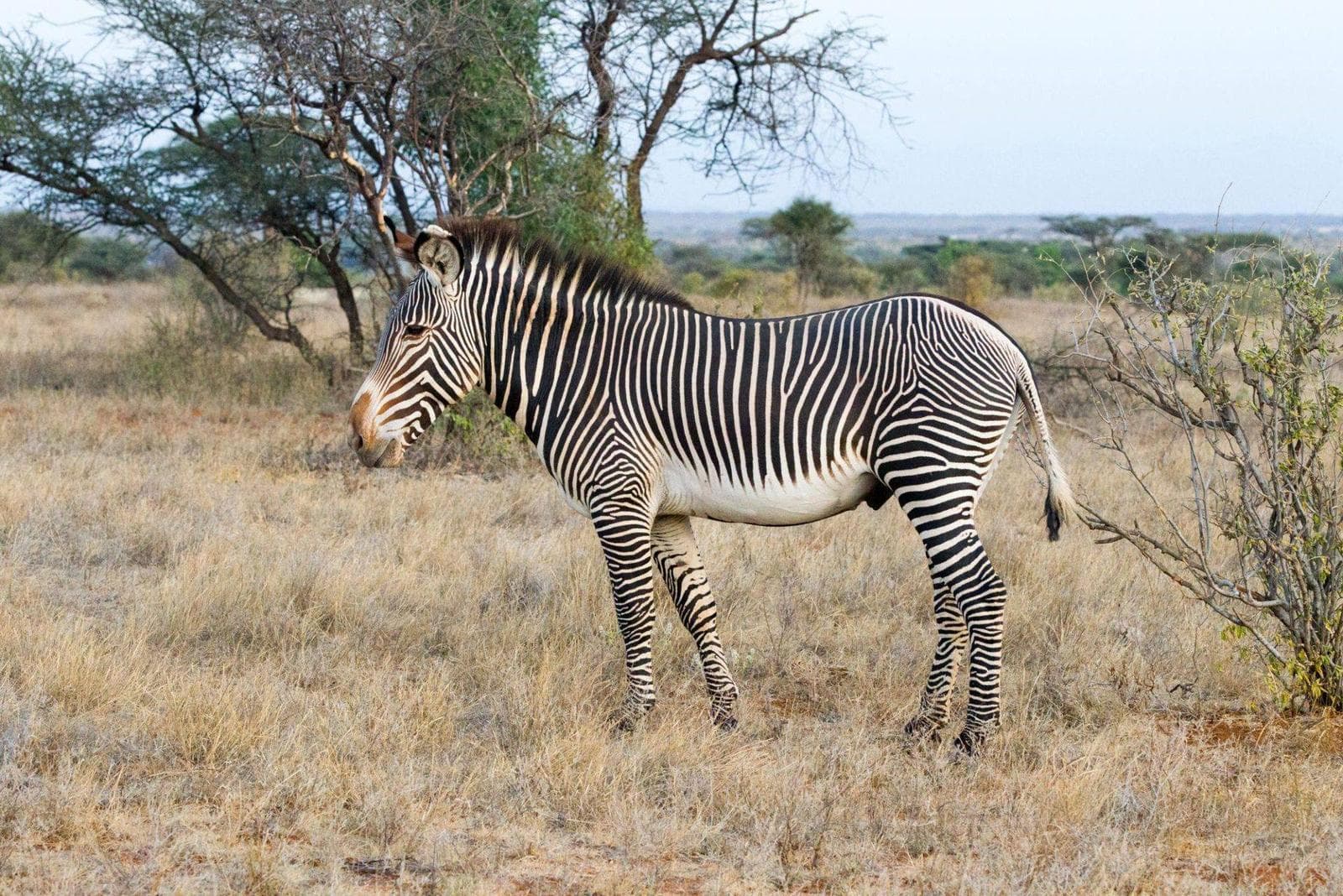
Grevy's zebra in Samburu

3 days

Ol Pejeta & Samburu

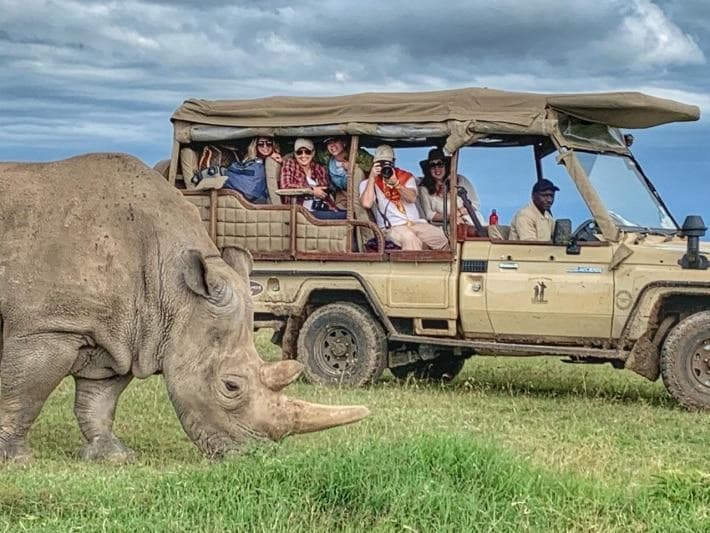
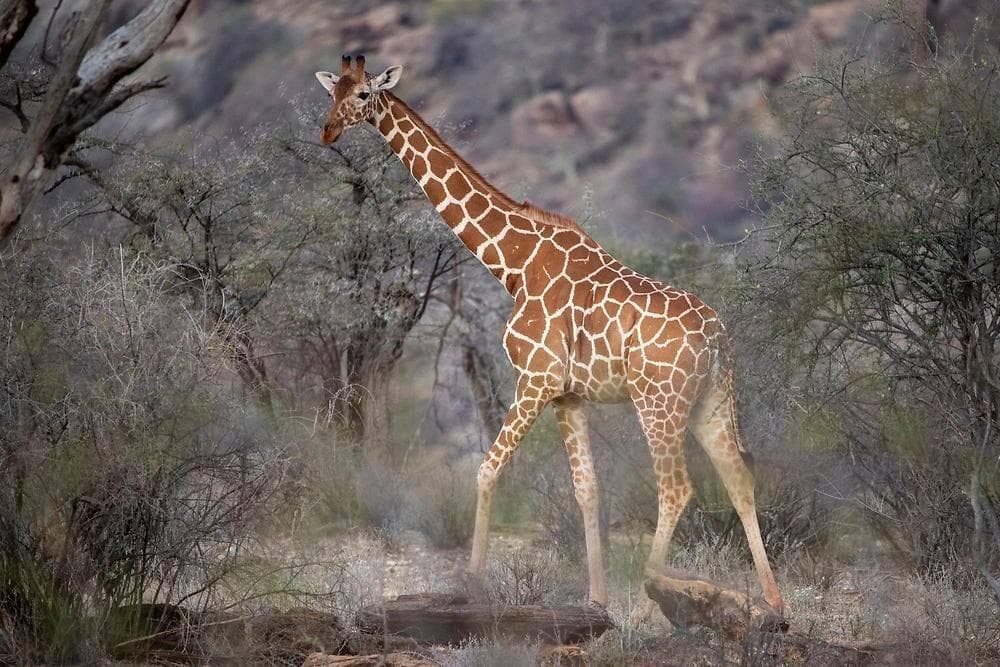
A night at Ol Pejeta and a night in Samburu. Ol Pejeta holds the largest black rhino population in East Africa. Samburu has species found almost nowhere else — Grevy's zebra, reticulated giraffe, gerenuk, Beisa oryx and the Somali ostrich.

  • Day 1 — Nairobi to Ol Pejeta via Nanyuki, afternoon game drive and rhino tracking.
  • Day 2 — Morning drive, transfer north to Samburu, afternoon along the Ewaso Nyiro river.
  • Day 3 — Morning game drive, return to Nairobi.

For anyone who has already done the Mara, or wants something other than the obvious.

Ask about this trip →
Elephants below Kilimanjaro

Built around the fixture list

Maasai Mara, Serengeti & Ngorongoro

Follow the tournament across the border. The Mara and the Serengeti are one ecosystem divided by a national boundary — the animals do not recognise it and neither does this trip. You take in a knockout match in Tanzania on the way through.

  • Kenya leg — Maasai Mara game drives from Nairobi.
  • Crossing — south into Tanzania, Serengeti plains.
  • Ngorongoro — down into the crater floor, a contained ecosystem with resident lion, elephant and black rhino.
  • Football — a knockout fixture in Arusha, Dar es Salaam or Zanzibar depending on the draw.

For fans staying through the group stage into the knockout rounds.

Ask about this trip →

Stay where you like — we handle the safari

Plenty of fans book their own Nairobi accommodation, whether that is a hotel or an Airbnb. That is completely fine. These trips are sold as the safari itself, so you keep whatever you have arranged in the city and we collect you from it.

If you would rather we arranged Nairobi as well, we can do that — just say which you prefer when you get in touch.

Dates, and the draw

Exact departure dates depend on the fixture list, which follows the draw. Get in touch now with the team you are following and we will hold provisional dates around their likely group matches, then confirm the moment the schedule is published.

Mara lodges and camps sell out for June and July in a normal year. With a continental tournament running through both months, early is not caution — it is the only way to get the beds.

Before you travel

Questions fans actually ask

Do I need a visa for Kenya?+

Kenya replaced visas with an Electronic Travel Authorisation in January 2024. Most visitors apply online before travelling and receive approval electronically. Since 2025 most African nationals are exempt from the eTA altogether. Rules do change, so check the official Kenyan government portal close to your travel date rather than relying on any tour operator page, including this one.

Can one visa cover Kenya and Uganda?+

Yes. The East Africa Tourist Visa is a 90-day multiple-entry visa covering Kenya, Uganda and Rwanda for around 100 US dollars. If you are following a team across the Kenyan and Ugandan legs of the tournament, that is the one to get. It must first be used to enter whichever of the three countries issued it.

Does that visa cover Tanzania too?+

No, and this catches people out. Tanzania is not part of the East Africa Tourist Visa scheme and requires its own separate visa. If your plans include matches in Arusha, Dar es Salaam or Zanzibar, budget for two separate entry permissions.

How far is the Maasai Mara from Nairobi?+

Around five to six hours by road, or about 45 minutes by light aircraft from Wilson Airport. Lake Naivasha is roughly two hours and Ol Pejeta about three and a half, which is why shorter trips are built around those two.

Will I see the Great Migration during AFCON?+

Possibly, towards the end of the tournament, but nobody can promise it. The herds move on rainfall, not on a calendar. The first Mara River crossings can begin as early as June, with the main crossings usually running through July and August, and the bulk of the herd settling in the Mara from September. The tournament closes on 17 July, so its later stages fall at the front edge of crossing season. Treat a crossing as a bonus rather than the reason you came.

What is the weather like in June and July?+

This is Kenya's dry season and the best game viewing of the year. Grass is short and animals concentrate around water, which makes them easier to find. It is also the coolest period — expect warm days and genuinely cold early mornings on game drives, so bring a fleece. Nairobi sits at 1,795 metres and mornings there are chilly.

Can a safari really fit between two group matches?+

Yes. Group-stage fixtures usually leave three or four days between a team's games. The two-day Mara trip and the three-day options are built specifically for that window. Tell us your team and we will map the safaris onto the gaps in their schedule.

When will you confirm exact dates?+

Departure dates follow the fixture list, which follows the draw. Get in touch now and we will hold provisional dates around your team's likely match days, then confirm as soon as the schedule is published. Mara camps sell out for June and July in an ordinary year, so holding early matters more than usual.

Tell us who you are following

Send us your team and your travel dates. We will come back with the safaris that fit the gaps in their fixture list, priced and ready to book.

Plan Your AFCON Safari →